If you've ever streamed a movie, uploaded a file to the cloud, or used a major social media platform, there's a good chance your data passed through hardware designed and built by a company most end-users have never heard of: ZT Systems. They're not a consumer brand, but in the world of hyperscale computing and enterprise data centers, their name carries serious weight. Forget the flashy marketing; ZT operates in the trenches, solving the gritty, complex problems of scale, efficiency, and reliability that keep the digital world running. This isn't about selling a box; it's about providing the foundational infrastructure for companies whose business is the internet.
I've watched this space for over a decade, and one common mistake I see is companies treating server procurement like buying office furniture. They focus on the sticker price of a CPU or a drive, completely missing the massive hidden costs and risks in integration, supply chain management, and lifecycle support. That's where a partner like ZT Systems changes the game.
Quick Navigation: What's Inside
Who is ZT Systems, Really?
ZT Systems is a private, US-based original design manufacturer (ODM) and systems integrator. Founded in 1998, they've grown by focusing relentlessly on a specific, demanding clientele: hyperscale cloud providers (think the top names in cloud infrastructure), large enterprises, and government agencies. Their entire operation is geared towards one goal: building highly optimized, reliable, and often custom-configured data center hardware at massive scale.
Think of them as a bridge between chipmakers like Intel, AMD, and NVIDIA, and the companies that operate vast data centers. ZT doesn't just slap components into a chassis. They engage in deep engineering collaboration with their clients to design systems that meet exact performance, thermal, power, and manageability specifications. This could mean designing a server for maximum storage density, another for pure GPU compute for AI workloads, or a rack-level solution that optimizes power delivery and cooling.
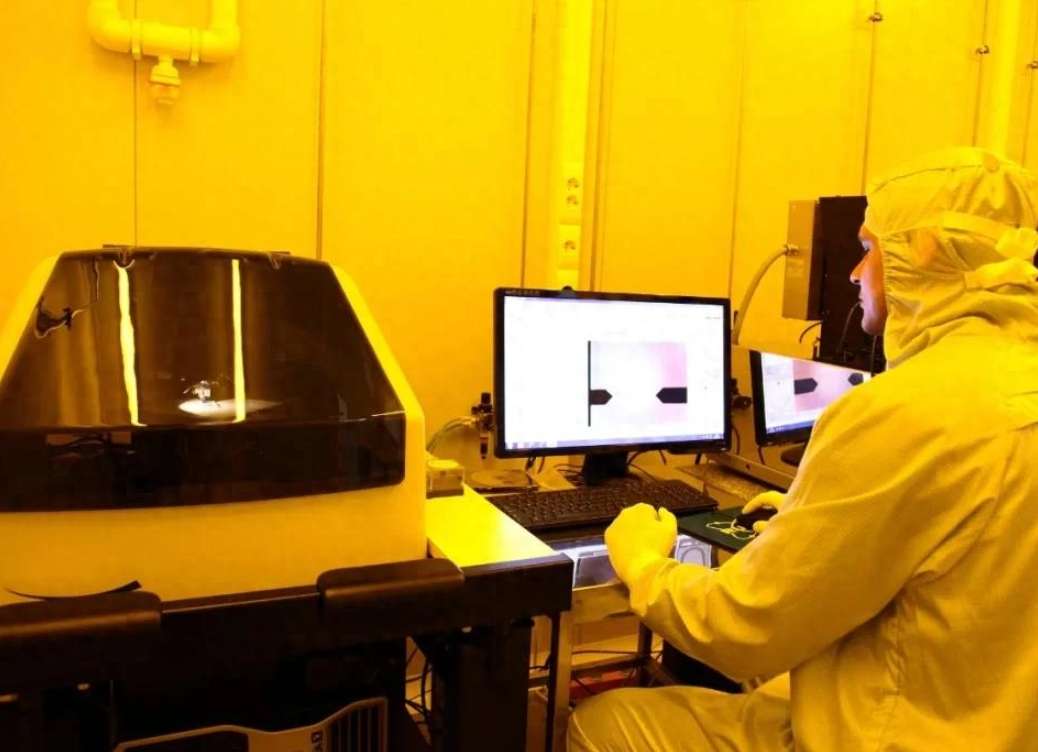
Their facilities, including a major one in Secaucus, New Jersey, are built for vertical integration. They control much of the process in-house, from design and validation to integration, testing, and global logistics. This control is a key part of their value proposition.
Core Solutions: More Than Just Servers
Calling ZT a "server company" is like calling a Formula 1 team a "car company"—technically true but missing the depth. Their portfolio is built around solving specific data center challenges.
Their Platform Approach
ZT typically works with a platform strategy. They develop a base server architecture (a "platform") that can then be customized into dozens of specific configurations. This balances the efficiency of scale with the need for customization. For a client, this means you're not buying a one-off prototype; you're getting a battle-tested design tailored to your needs.
Liquid Cooling and High-Density Systems
As CPUs and GPUs push power envelopes beyond what air can efficiently cool, liquid cooling has moved from niche to necessity. ZT has been aggressive here, offering direct-to-chip and immersive cooling solutions. This isn't just about keeping chips cool; it's about enabling higher, sustained performance and packing more compute into a smaller footprint—directly translating to lower real estate and energy costs per computation.
For AI and HPC workloads, this is non-negotiable. A standard air-cooled rack might top out at 40kW. A liquid-cooled rack from ZT can handle 100kW or more, allowing you to run denser clusters of power-hungry GPUs.
The ZT Business Model: Why Giants Choose Them
So why does a tech giant with a huge engineering team not just build everything themselves? The answer lies in focus, risk, and total cost.
| Consideration | In-House DIY Approach | Partnering with an ODM like ZT Systems |
|---|---|---|
| Engineering Overhead | Requires large, permanent teams for mechanical, electrical, thermal, and firmware design. | Leverages ZT's dedicated engineering pool. You pay for design indirectly, but avoid fixed overhead. |
| Supply Chain & Procurement | Must manage relationships with dozens of component vendors, navigate shortages, ensure quality. | ZT's scale and relationships provide buffer and priority. They handle vendor qualification and logistics. |
| Testing & Validation | Need to build and staff extensive test labs for component, system, and firmware validation. | Validation is part of ZT's core service. They have labs and processes to certify reliability. |
| Manufacturing & Integration | Requires capital investment in factories or reliance on contract manufacturers with less control. | ZT owns its manufacturing, allowing for tighter quality control and faster iteration. |
| Lifecycle Management | Your team handles firmware updates, spare parts inventory, and repair logistics for years. | ZT offers full lifecycle support, including global spare parts distribution and repair services. |
The table makes it clear. For a company whose core business is software and services, managing the entire hardware stack is a distraction. It's a classic "make vs. buy" decision. ZT allows their clients to buy the hardware expertise while staying focused on their core software innovation.
I recall a conversation with a data center manager at a mid-sized SaaS company. They tried a hybrid model, designing specs in-house and using a generic assembler. A firmware bug in a specific drive model caused intermittent failures that took months to diagnose, costing them in downtime and engineering sleuthing. With a partner like ZT, that drive model would have been validated as part of the integrated system long before it hit their data center floor.
The Great Trade-Off: DIY Build vs. OEM Partner
Let's get specific. Is ZT right for you? It depends entirely on your scale, expertise, and risk tolerance.
You might be a candidate for a ZT-type partner if:
- You're deploying at scale (hundreds or thousands of nodes).
- Your workloads have unique requirements (extreme density, specialized accelerators, specific thermal profiles).
- Your internal team wants to focus on data center orchestration software, not hardware debugging.
- Supply chain predictability and guaranteed component quality are critical.
- You need a single throat to choke for hardware issues, from design to end-of-life.
The DIY route might still make sense if:
- You have a small, static deployment of very standard servers.
- You have deep, existing hardware engineering expertise and enjoy the control.
- Your primary constraint is the absolute lowest upfront component cost, and you're willing to absorb the hidden operational risks.
The trade-off isn't black and white. Some of the largest ZT clients still do plenty of their own design work but use ZT as a manufacturing and integration extension. It's a spectrum of partnership.
Future-Proofing: AI, Liquid Cooling, and Sustainability
The data center landscape isn't static. Three massive trends are shaping what companies like ZT are building next.
AI and Accelerated Computing: The demand for GPU and AI-optimized servers is insane. These aren't just standard servers with a GPU card slapped in. They require rethinking power delivery (shifting from 12V to 54V or higher), cooling (see liquid cooling above), and rack-level architecture. ZT's ability to rapidly design and scale these complex systems is a major advantage.
The Liquid Cooling Imperative: This is now a core competency, not a side project. The companies leading in liquid cooling design and deployment today will have a significant efficiency and density advantage for the next decade. ZT's investment here signals they're playing the long game.
Sustainability and Power Efficiency: It's not just about green credentials anymore. With rising energy costs and potential grid constraints, Power Usage Effectiveness (PUE) is a direct financial metric. Hardware that runs cooler and more efficiently saves millions in operational expenses. Designs that enable higher utilization of renewable energy sources or facilitate heat reuse add another layer of value. A report by the Uptime Institute highlights how hardware design is increasingly tied to these broader data center efficiency goals.
Your Burning Questions Answered (FAQ)
ZT Systems represents a critical, if often invisible, layer of the modern internet. They empower the companies we interact with daily to scale reliably and efficiently. For any organization making strategic decisions about data center infrastructure, understanding the ODM model and partners like ZT isn't just technical—it's a fundamental business consideration affecting agility, cost, and competitive edge.